
284: Good Work does not speak for itself
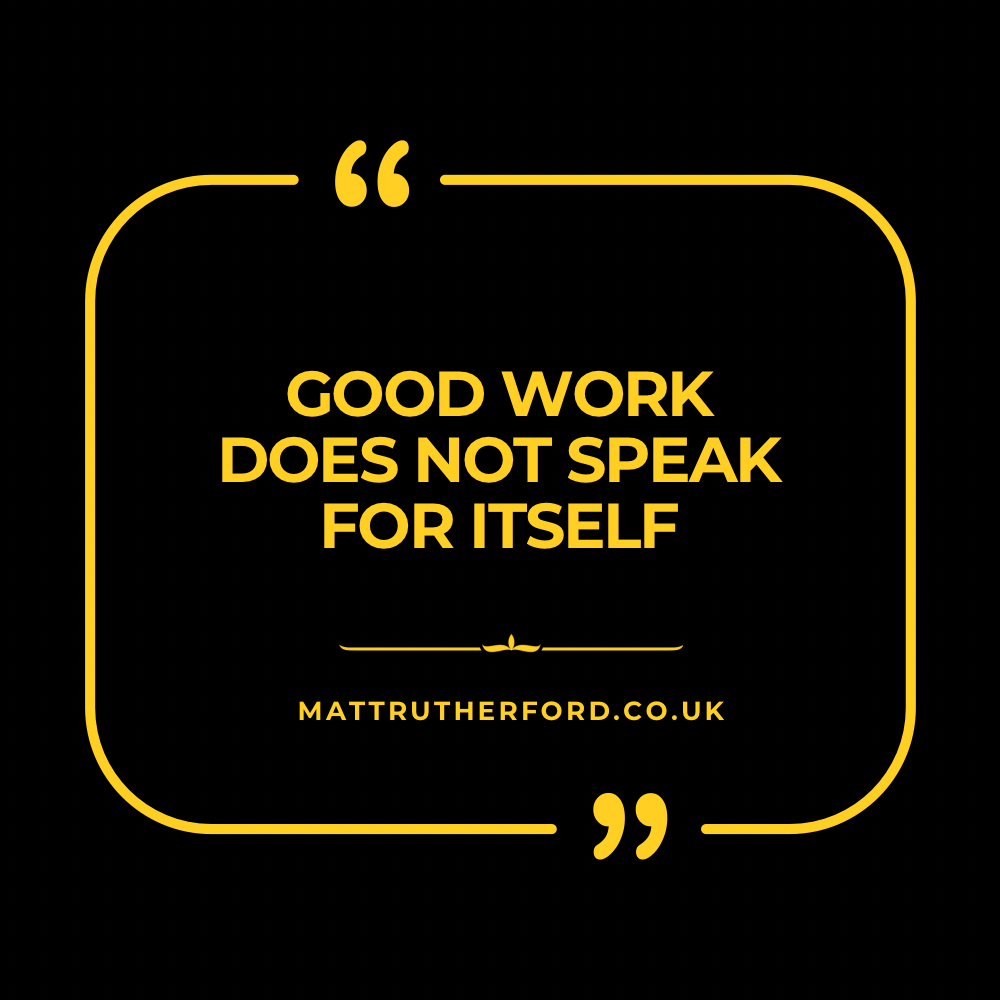
Good work does not speak for itself. People do.
The idea that your output will be noticed, interpreted correctly, and rewarded fairly assumes your manager is paying close attention.
If you are looking to cultivate sponsors, they need to know your currency.
They are not always. They are managing their own pressures, their own visibility gaps, their own relationship with the person above them.
This isn’t cynicism. It is just how organisations work.
The real problem with managing upwards is that you confuse it with politics. It feels icky, uncomfortable, even manipulative. So you avoid it entirely.
You put their head down, do good work, and hope someone notices. You might get lucky. Most people do not.
Managing upwards is not about impression management. It is about reducing the gap between the work you are doing and what your manager actually knows about it. These two things are rarely as aligned as you think.
This practical shift is small but significant.
- Before your next one-to-one, start closing the gap proactively.
- Pick one piece of work your manager has limited visibility on.
- Find a natural moment, not a formal one, to surface it.
The aim is not to impress them but to inform them.
Doing this consistently changes a dynamic. You stop being someone they have to check in on. You become someone who keeps them informed. That distinction matters.
These shifting and strategic relationships with your manager are discussed in Richard Hytners excellent book: Consiglieri - Leading from the Shadows.
The goal is to be understood.
What is one piece of work your manager currently has no real visibility on?
The Stuff
- When change feels overwhelming.
- How to reclaim your attention.
- Chase the right things.
- The key to structuring your work is 'nothing’.
- The secret to being happy.
- How news scrolling affects your brain.
Finally. 100 Jumps. The simplest game ever, and possibly the most infuriating.

Member discussion